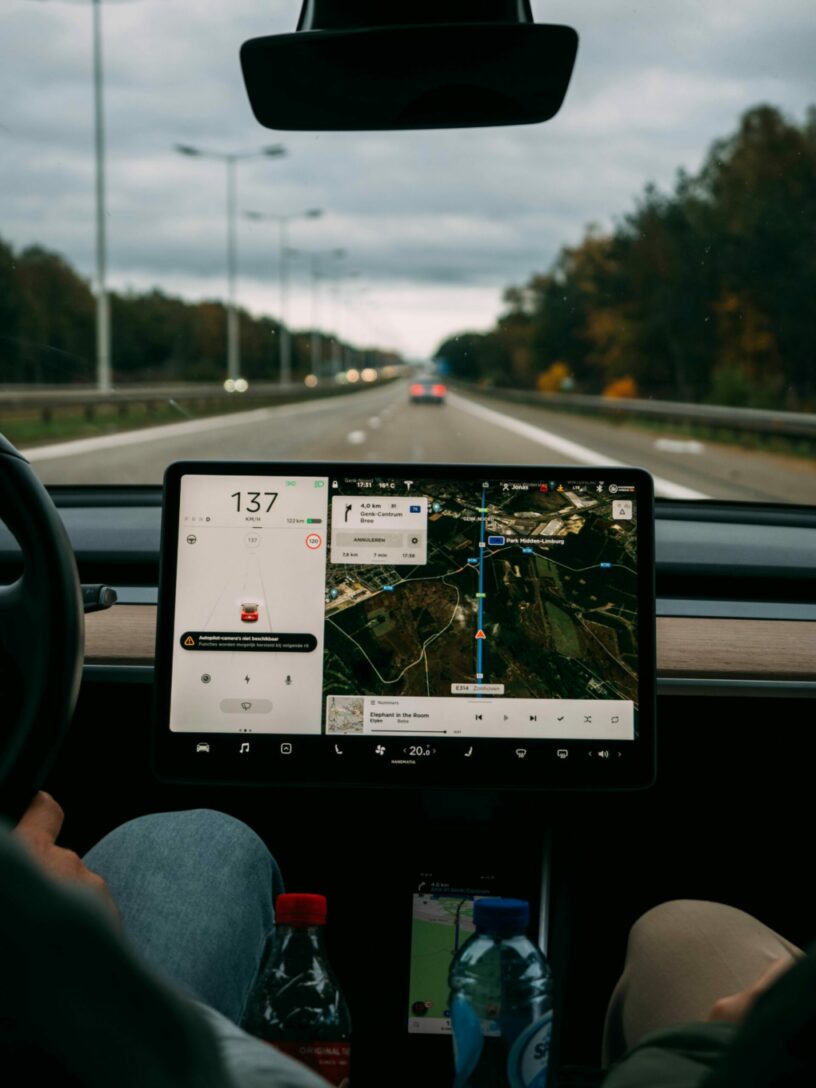
Transport used to be an old-school industry. Not long ago, fleets were managed with piles of paper, phone calls that lasted forever, and managers relying mostly on instinct and experience. Fast-forward to now: many transportation companies almost resemble tech firms. Vehicles are connected, routes are optimized by algorithms, and decisions are made based on real data: not guesswork. Even passenger-oriented operators 8Rental, which provides chauffeur services across Europe, now use digital tools to streamline operations and customer communication.
This shift is reshaping how transport companies work behind the scenes: and how clients experience the service. Here is what has changed, from the most visible improvements to the quieter, technical upgrades happening out of view.
Real-time visibility is changing everything
One of the biggest differences today is that companies finally know, at any moment, where their vehicles are and what they’re doing. The whole “let me call the driver and find out” approach is fading.
GPS trackers and telematics now provide a live overview of the fleet. Dispatchers can quickly check if a vehicle is stuck in traffic, ahead of schedule, or off route. This makes it easier to make adjustments on the fly and reassure customers when they ask for updates. The technology doesn’t just save time, it also helps prevent theft, mishandling, and logistical headaches.
Data and AI are replacing guesswork
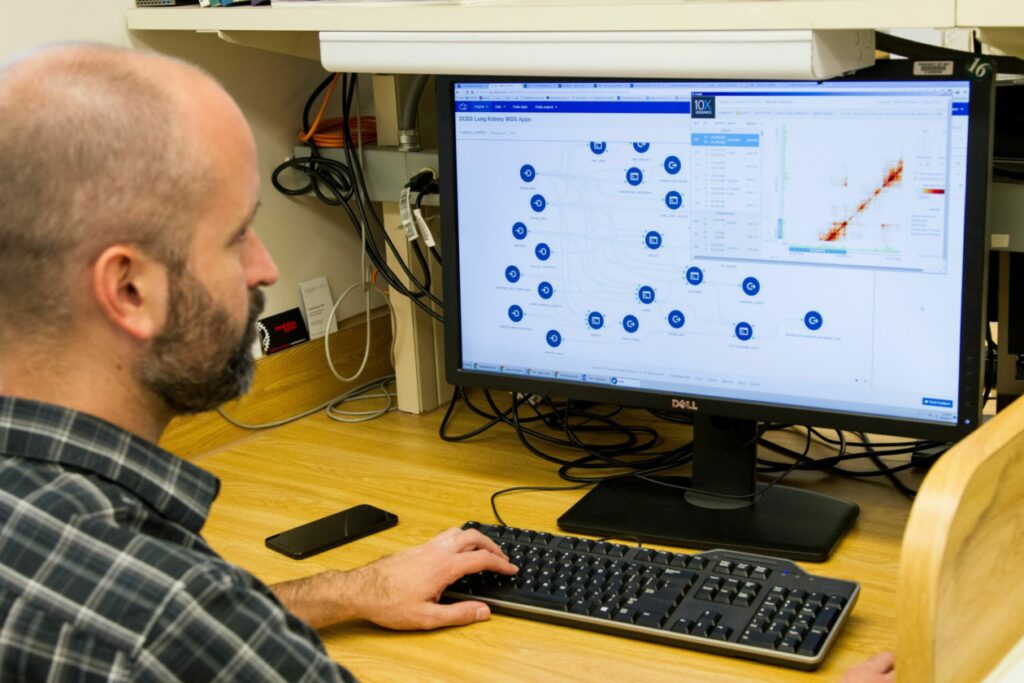
Collecting data is one thing, making sense of it is another. Many companies now use software that looks at past performance, seasonal patterns, driver habits, fuel usage, and countless other inputs to support smarter decisions.
Instead of:
“We think this route is faster,”
it’s more like:
“The data shows that alternative route saves 12% travel time this month.”
AI-driven route optimization, demand forecasting, pricing suggestions, and even safety alerts all contribute to fleets running more efficiently and with fewer surprises.
Admin Work Is Finally Going Digital
For every vehicle on the road, there are hours of unseen administrative tasks: maintenance paperwork, driver scheduling, compliance, inspections, invoices, and licenses. Much of this has now moved into digital systems where forms, signatures, logs, and reminders are handled automatically.
The result isn’t glamorous, but it’s meaningful: fewer errors, fewer missing documents, and far less time wasted on manual checking and double-checking.
New vehicle technologies are helping keep roads safer
Many modern vehicles now come equipped with systems that alert drivers when they drift out of lane, monitor blind spots, brake automatically in emergencies, and keep safe distance from the car ahead. Even if self-driving trucks are still far away, these small assistive technologies make long drives less stressful and help reduce accidents.
This is good for drivers, good for companies, and good for the people who share the roads with them.
Fixing vehicles before they fail
The old model was simple: something breaks → repair it.
Now, the goal is to detect problems early and prevent breakdowns.
Sensors track engine temperature, battery levels, tire pressure, vibration patterns, and dozens of other variables. If there’s an early hint of trouble, the system flags it. Maintenance can be scheduled proactively, which reduces downtime and emergency repair costs
Online platforms are redefining how services are booked
Another big change is how transportation services are purchased and managed. Instead of endless email threads or back-and-forth phone negotiations, many customers prefer:
- instant online quotes
- digital booking
- live vehicle tracking
- online support
Passenger-focused operators in private driver industry in Italy, for example, use digital interfaces so clients can manage trips more easily and see updates in real time, which feels far more modern and transparent than the old communication model.
The push toward more sustainable transport
Technology also supports greener operations. Better route planning avoids unnecessary detours. Hybrid and electric vehicles are being gradually introduced, especially in urban areas. Carbon monitoring tools help companies measure emissions and set realistic improvement targets.
The incentive isn’t just regulatory using less fuel is also less expensive.
The human side: Not everything about tech is easy
It’s worth mentioning that digital transformation isn’t always smooth. Many companies struggle with outdated legacy systems, staff training, cybersecurity concerns, or simply the overwhelm of choosing from too many available tools.
Successful operators usually don’t adopt everything at once. They pick improvements gradually starting with the areas that affect cost savings or customer experience the most.
Transportation is moving from a largely manual business into a connected, data-driven one. While the trucks, vans, and buses might look the same from the outside, the way they are managed and operated is undergoing a transformation. Companies that lean into digital tools are finding they can run safer fleets, make faster decisions, and offer a more reliable service to customers.
Those that stick to old methods will likely struggle to compete in an industry where technology has become a fundamental advantage rather than an optional perk.











Leave a Reply