
Every action inside a business, every sale, click, shipment, or conversation, creates information. Yet for years, data has lived in separation from the work it was meant to improve. Teams performed tasks in one system and analyzed outcomes in another, creating a constant loop of switching, waiting, and translating. Embedded intelligence ends that divide, as it connects analytics directly to the daily tools, dashboards, and systems that power operations.
This approach transforms how organizations think. Insight becomes ambient, a silent layer built into software, platforms, and processes that reacts in real time to what people are doing. Decisions emerge naturally because the data supporting them is already present. Embedded intelligence represents a decisive step toward workplaces that operate as connected ecosystems, that is, data-informed at every turn and adaptive by design.
Turning insight into systems
Information gains true value when it moves beyond reports and integrates into execution. Turning insights into systems means building frameworks that connect analysis to direct, everyday application. Data models, automation, and real-time feedback loops become part of how teams plan and act. Intelligence no longer lives in isolated dashboards, as it runs through the architecture of work itself.
At the core of this transformation are data products, modular tools that deliver insight in the form of structured, reusable assets embedded within existing workflows. A data product might provide predictive metrics in a CRM, dynamic pricing recommendations in a sales platform, or inventory signals in a supply chain app. It operates quietly but effectively, standardizing access to intelligence while ensuring every department works from the same foundation.
Aligning real-time data with decision cycles
Work moves too quickly for static information. Teams make choices every minute, about customers, budgets, and operations, and those decisions lose accuracy when they rely on outdated data. Real-time integration ensures that what employees see reflects what is happening now. The shift from periodic updates to continuous visibility redefines how organizations maintain awareness.
In practice, this means that live metrics, performance alerts, and streaming data sources flow directly into the tools where work happens. Customer-facing teams adjust campaigns as audience behavior changes; logistics managers modify shipments as stock levels shift. Each action feeds the next in a constant cycle of awareness.
Embedding smart dashboards
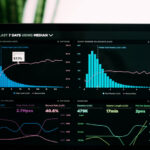
Employees have to leave their primary tools to check analytics, interpret results, and then return to apply them. Embedded dashboards solve this problem by bringing insight into the exact space where work occurs. They deliver visual context within the same interface, keeping attention focused and decisions immediate.
Smart dashboards also adapt dynamically to the user’s context. A project manager might see team performance and timeline data within a task board, while a sales lead views conversion metrics within a client record. When designed effectively, they stop functioning as “dashboards” altogether and become a seamless part of the operational environment, quietly improving accuracy and efficiency throughout the day.
Streamlining reporting
Reporting once meant compiling spreadsheets, exporting charts, and sharing static documents that were outdated by the time they reached the next inbox. Embedded reporting helps change that entirely. It delivers continuous visibility without the delay of manual preparation. Information updates automatically, reflecting live performance and progress across systems.
This embedded model removes friction from both communication and accountability. Managers see immediate summaries, employees track results as they work, and leadership maintains visibility without constant check-ins. Reports evolve in parallel with projects instead of following them.
Synchronizing insight delivery
Timing gives intelligence its power. Insight that arrives too late loses value, and information delivered too early may lack context. Synchronization solves both issues by aligning the delivery of data with the rhythm of daily operations. Insights reach users exactly when they’re needed, within the moment of decision, not after.
This synchronization depends on intelligent triggers and workflow mapping. Analytics platforms now recognize when certain thresholds, milestones, or events occur and surface insights automatically. For example, a service team might receive performance analysis right after a customer interaction closes, or procurement may see updated forecasts the moment a shipment is logged.
Converting repetitive decisions into data-guided actions
Repetition consumes time that could be spent on creative or strategic work. Many of the choices teams make each day follow predictable patterns, approvals, prioritizations, scheduling, or threshold-based actions. Embedded intelligence transforms those patterns into guided decisions supported by data. Each repeated process gains consistency, accuracy, and traceability.
When analytics power these workflows, employees no longer rely on memory or intuition for routine actions. The system presents recommendations or executes them automatically based on defined parameters. What once required judgment now operates through an intelligent framework, freeing human effort for innovation while keeping results steady and measurable.
Simplifying complex analytics
Analytics often feel distant because they live outside the places where work occurs. Embedded visualization brings that information to the surface. Data appears beside the task, inside the form, or within the communication thread, visible without disruption. Each metric connects directly to the activity it supports, so interpretation happens instantly.
Simplification means making context obvious. Visual elements are clean, interactive, and responsive to user input. An operations manager reviewing capacity sees capacity data next to resource allocation. A product designer viewing customer feedback also sees sentiment data inside the same workspace.
Linking analytical outcomes to workflow
The value of analytics becomes tangible when outcomes tie directly to operational results. Embedded intelligence closes that loop by linking each data point to its effect on performance. Efficiency metrics, process outcomes, and timelines connect in a single view, showing cause and impact together.
Once every action automatically feeds back into the system, teams can identify friction or duplication quickly. Leaders track which inputs consistently drive better results, allowing process adjustments that actually reflect measured performance.
Creating decision templates
Embedded intelligence introduces structure to complex choices through decision templates. These templates act as reusable models that define the data sources, variables, and thresholds required for specific business decisions. As users encounter similar challenges, the system presents preconfigured options supported by real-time data.
Decision templates shorten the distance between analysis and action. They guide teams through consistent logic while leaving room for human context. A finance team might use templates for pricing adjustments, while a customer success team relies on templates for retention strategies. Integrated data keeps each template current, ensuring that every recommendation reflects live conditions.
Supporting knowledge transfer
Knowledge loses value when it stays confined to individuals or departments. Embedded learning systems distribute it directly into workflows so that experience becomes part of the operational environment. Training shifts from one-time events to ongoing reinforcement built into daily tools.
Employees receive contextual guidance while performing tasks, that is, short prompts, visual examples, or micro-lessons related to what they’re working on. New hires learn procedures through live interaction with the platform, while seasoned employees access evolving updates that refine their skills. Each completed process adds to the organization’s shared intelligence, making knowledge cumulative.
Embedded intelligence lives inside every click, process, and interaction. When intelligence is integrated this way, it strengthens the structure of decision-making and gives teams clarity without requiring extra effort. Each system becomes more responsive because it learns as it functions. Each task gains context because the data around it remains visible and current.










Leave a Reply